
Are Pennsylvania Busted Mugshots Public?
Sometimes yes, but not as a blanket right. Pennsylvania's Right-to-Know Law presumes agency records are open. That presumption bends, though. An agency can withhold or redact a record under an RTKL exception, another statute, a privilege, or a court order. CHRIA is one such statute. The Criminal History Record Information Act controls release of criminal-history information, photos included. The state Supreme Court sharpened the question in Mezzacappa v. Northampton County. It called a mugshot an identifiable description under CHRIA. Under the scheme in that case, only a police department could hand one out to an individual. The ruling concerned government disclosure in the cases before the Court. It never said private publishers may show every image. Nor did it ban arrest photos from publication across the board.
The Office of Open Records explains the RTKL presumption. That overview frames a request, though each record's custodian must still apply the law to the specific document.
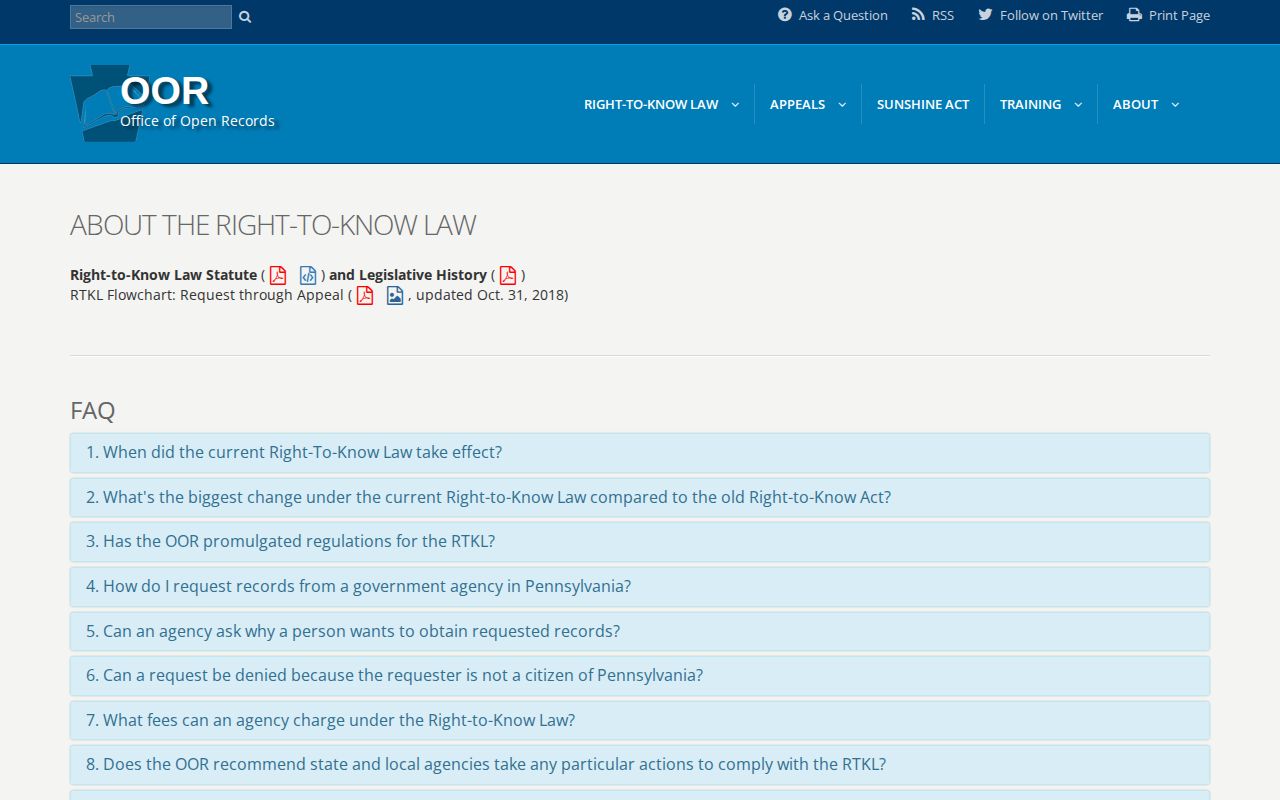
Pennsylvania RTKL Booking Records
The RTKL process starts with a written request. You generally don't need to explain why you want the record. The OOR request form and instructions help you name the Commonwealth or local agency that holds it. Give what you know. A person, date, agency, or docket number narrows the search. Don't ask an office to build a new statewide list or photo collection. That isn't an existing record.
Agencies may charge only fees the law allows. They can also invoke an authorized extension. If a request is denied, get the reason and legal basis in writing. The OOR offers an appeal path. But appeals cannot override CHRIA, a court order, or another law that blocks access. Keep the request narrow. Ask for them separately. A booking record and the photograph may be held or treated differently by the custodian.
The OOR's 2012 inmate-photograph advisory called a local-agency inmate photo presumptively public, with exceptions. It also split a county-prison intake image from a State Police photo tied to a criminal investigation. That advisory predates the Supreme Court's CHRIA ruling. Read it beside Mezzacappa and the current statute. Public status turns on a record's source and legal category. It does not turn on the mere fact that a photo exists.
Note: An agency's general disclosure policy does not decide whether a particular image is a separate or restricted record.
CHRIA Limits on Busted Mugshot Release
CHRIA, 18 Pa.C.S. §§ 9101–9183 governs criminal-history record information and its dissemination. In Mezzacappa, the Court weighed RTKL requests for two photographs, then for every mugshot held by Northampton County Prison. It reversed the lower courts. The decision landed on April 25, 2025. The opinion also notes a 2024 amendment to § 9121(b)(1). That edit swapped "state or local police" for "Pennsylvania State Police." The case involved earlier events. So a fresh request turns on the current statutory text, the custodian's identity and authority, the record's date and type, and any other exception.
A county prison's refusal isn't automatically unlawful. Ask the custodian to explain the decision. A denial isn't proof of concealment. The opinion also cites Taha v. Bucks County, where officials violated CHRIA by publishing an expunged arrest record with a photo and identifying details. Disclosure and republication are distinct acts. That case shows why. A downstream copy can stay wrong even after the official record changes.
HB 1585 and Busted Photo Rules
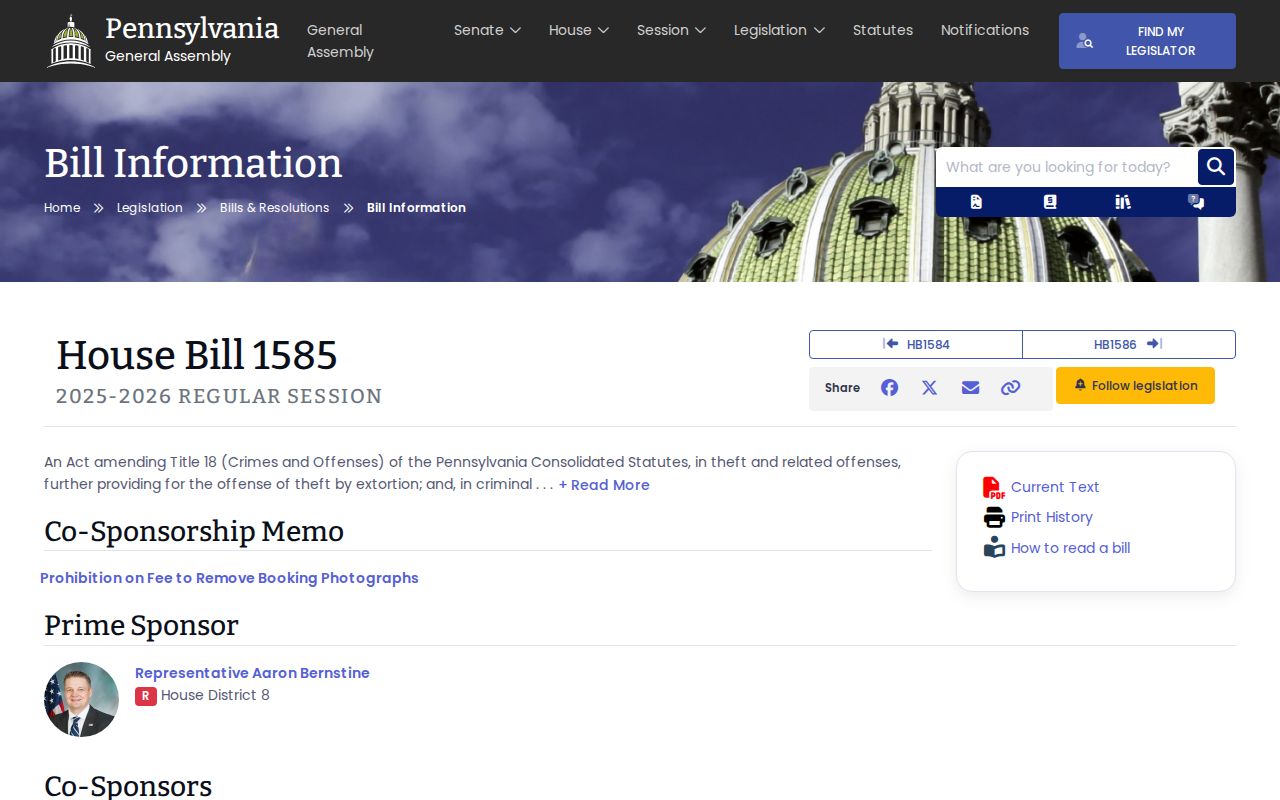
Pennsylvania lawmakers have weighed bills aimed at booking-photo sites. None has become law. House Bill 1585 is the current example. The tracker shows introduction in 2025 and House passage in June 2026. The Senate Judiciary Committee received it on June 25, 2026. It had not reached enactment by late September of that year. So it remains a proposal, nothing more.
The text would build a Title 18 offense around commercial use of a booking photograph. The trigger is demanding or accepting consideration to remove, correct, change, or hold back the image. Each payment would count separately. The conduct would also tie into the state's consumer-protection law. A second section addresses noncriminal-justice publishers. They would need a monitored contact address. After reasonable documentation, qualifying material would have to come down or be destroyed within seven calendar days. Miss that deadline and a daily civil penalty applies. Removal grounds would include a nonconviction disposition, sealing or limited access, expungement, vacatur, or pardon. None of these timelines exists today unless the bill is signed.
That seven-day remedy is still only on paper. Pennsylvania has walked this road before. HB 1736 cleared the House in 2021 and then moved to the Senate. The House Legislative Journal for November 8, 2021 records its third-consideration vote. That earlier push also stalled. The pattern points to lasting legislative interest in busted-photo removal schemes, yet no enacted rule. The bill tracker shows where the measure stands. Treat it as a status page for a pending bill, not as a removal right you can invoke now.
Pennsylvania Juvenile and Withheld Records
Juvenile files sit behind a much stricter wall. Pennsylvania's Juvenile Act and its court rules open the door only in defined settings. They rest on 42 Pa.C.S. §§ 6307–6308 and Pa.R.J.C.P. 160. Copying a juvenile booking photo, name, address, or birth date out of a nonpublic file is not one of them. The Pennsylvania Bulletin rules material lays out that split. It separates restricted files from public documents.
What if a search result leaks a juvenile record anyway? That error is not permission. Never guess at adult status from a data field. Do not trace a young person through a linked adult docket.
Adult records get withheld too. An active investigation can justify keeping material back. So can confidential sources, victim or witness privacy, security needs, a court order, sealing, or limited access. A missing image may simply mean the custodian no longer holds it. Its absence reveals nothing about the person or the case.
Note: A mistaken appearance in a public interface does not turn restricted juvenile information into an authorized source for republication.
Pennsylvania Sealing and Expungement
Relief in Pennsylvania depends on two things. It depends on how the case ended and what kind of record exists. Expungement strips eligible records from public criminal-history access through a statute or court order. CHRIA § 9122 and the courts' public forms walk through the main routes. Those routes cover expungement of eligible nonconviction records, no-disposition paths, court-ordered relief, limited access, and clean-slate treatment. The Rule 490, Rule 790, and Rule 791 forms match different petitions and orders. Clean slate is not expungement. A record can vanish from public view while courts and law enforcement keep access.
The statute spells out several routes. Certain summary convictions qualify after five years. There must be no new arrest or prosecution. A person 70 or older qualifies after ten arrest-free years. A deceased person's qualifying record qualifies after the applicable three-year period. A no-disposition record may qualify once the statutory period passes. The required certification must also be filed. ARD stands for Accelerated Rehabilitative Disposition. It and other nonconviction outcomes use the court process. Exceptions exist. None of this guarantees any particular record qualifies.
The State Police route starts with Form SP 4-170 and the PSP instructions. The packet calls for a $20 certified check. A money order works too. It also wants government photo ID and any supporting material. Mail everything to the Central Repository, listed as RCPU, in Harrisburg. A petition through the Clerk of Courts may still be required. Check the official instructions before mailing anything. The process varies by the relief sought.
One last caution. An order changes the official record on its own terms. It does not erase a newspaper story. Nor does it erase a cached search result or a copy held by another publisher. The agency's record and each later copy need separate attention.
Correcting Busted-Mugshot Copies
Fix the official record first. Keep each copy separate. Save the exact page address and the name and date shown. Note the county and agency too. Include any docket entry or court order that backs a correction. Then contact the custodian, the holding agency, and any publisher showing a copy. Tie the request to the document. Dismissed charges, expungements, and wrong-person matches may each need a different fix.
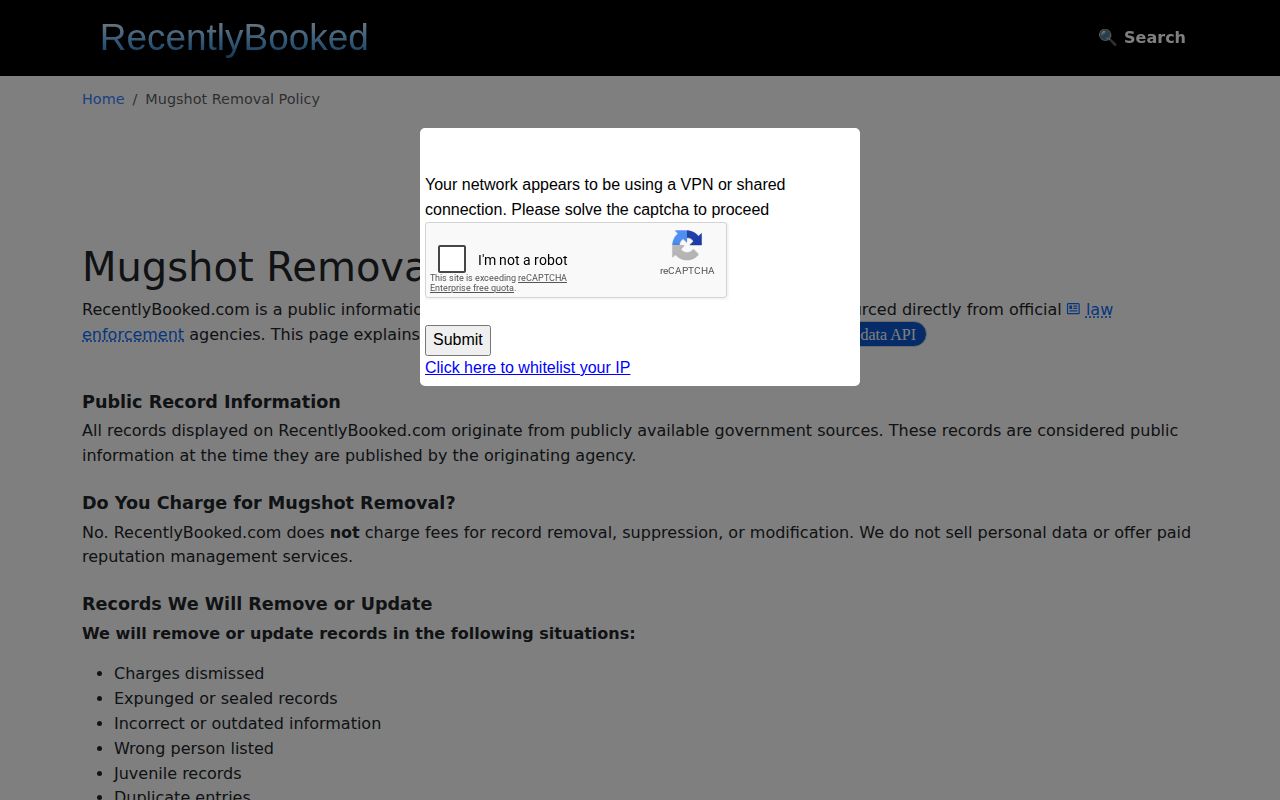
Private publishers run on their own terms. RecentlyBooked takes voluntary, no-fee requests for material it calls dismissed, expunged, sealed, wrong-person, juvenile, duplicate, incorrect, or outdated. It wants the page URL, the name and date, the state or county, a reason, and any supporting legal documents. Email info@recentlybooked.com. The publisher says accurate, current public-record material usually stays up. Those are its stated terms, not a Pennsylvania statutory right.
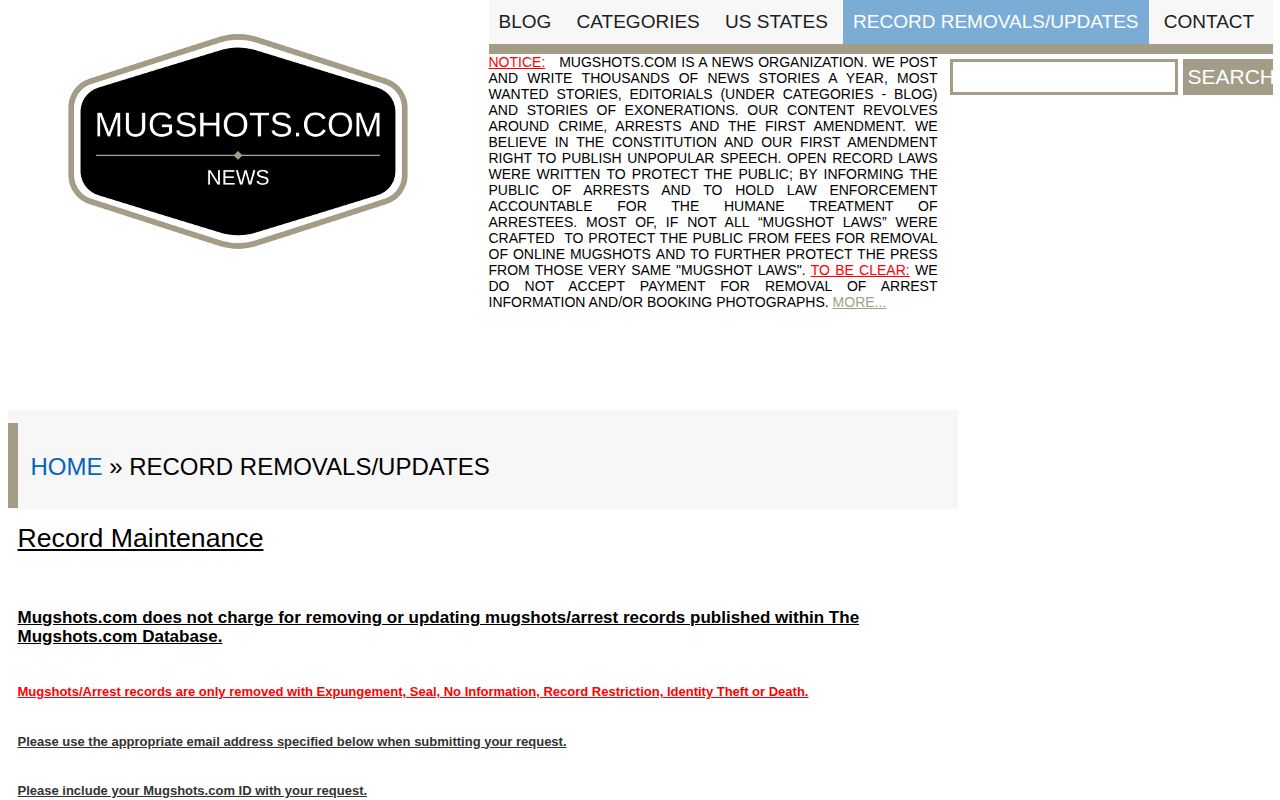
Mugshots.com posts a similar record-maintenance policy. It covers no-fee updates or removal in listed situations and asks for the site's record ID. Expect up to ten business days. Neither publisher speaks for a Pennsylvania agency, and neither promises a particular result.
The RecentlyBooked policy page spells out that one publisher's correction process. It stands apart from court orders and custodian requests.
The second publisher's record-maintenance policy offers another no-fee example. Its conditions and response windows bind only that publisher.
Sometimes a source page changes or vanishes. Google's outdated-content tool can refresh a stale search result. It will not edit the source page or replace a Pennsylvania court process.
Where Pennsylvania Case Records Remain
A booking photo and a case outcome live in different systems. Pennsylvania's Unified Judicial System runs a public docket search through the courts. It shows case events and dispositions. It is not a criminal-history report. It is not a photo source either.
Booking records start with the agency that holds them. A roster may show current custody. Older arrests may need a written request. State inmates and parolees appear in the Department of Corrections locator, which is not a county-jail feed. The County Directory links to county sources, and the statewide lookup guide explains how rosters and feeds differ. A disposition is the court's recorded outcome. It may not match the booking charge. An old web copy of a Pennsylvania busted mugshot can lag that final outcome badly.
| Record source | What it can answer | Key limit |
|---|---|---|
| County roster or records officer | Local booking, custody, or a specific agency record | Photo release depends on the record and custodian |
| UJS public docket | Case events and recorded disposition | Not a photo archive or criminal-history report |
| PA DOC inmate locator | State-sentenced inmate or parolee profile | Does not cover county-facility detainees |
Note: County custody records, court dockets, and state-prison profiles answer different questions and may carry different update dates.